
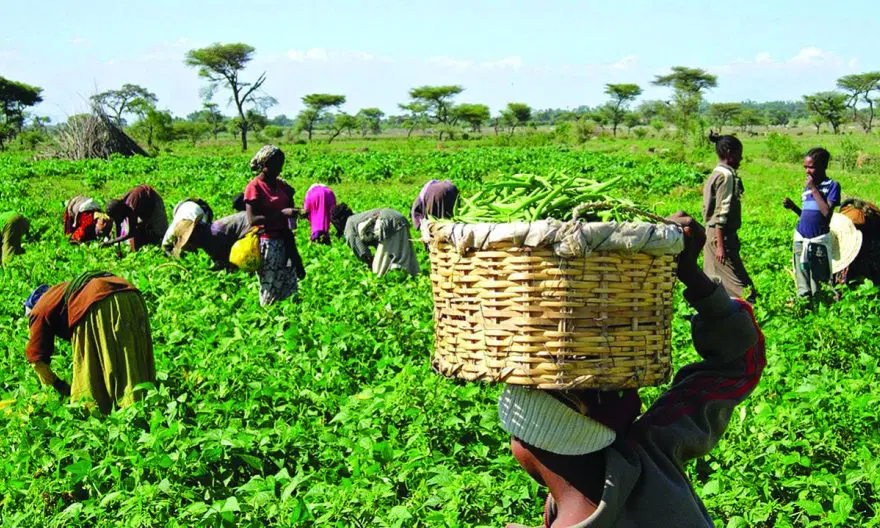
Nigeria is blessed with vast arable land and a favourable climate for agriculture, making farming one of the most viable business opportunities. \
However, many aspiring farmers hesitate due to the misconception that farming requires huge capital.
The good news is that with careful planning and resourcefulness, you can start farming on a budget and gradually grow your agricultural business.
This guide will show you practical steps to kickstart your farming journey without breaking the bank.
Step 1: Choose a Low-Cost Farming Niche
Farming is diverse, and selecting the right niche is crucial for cost-effectiveness. Below are some affordable options:
Crop Farming vs. Livestock Farming
- Crop Farming: Requires less capital than livestock farming, especially when dealing with fast-growing crops like maize, okra, and vegetables.
- Livestock Farming: Though more capital-intensive, options like poultry, snail, or fish farming can be started on a small scale.
Best Crops for Small-Scale Farmers
- Maize – Requires minimal input and grows within 3-4 months.
- Cassava – Highly consumed in Nigeria and can be processed into different products.
- Vegetables (Tomatoes, Pepper, Spinach, Okra) – Quick growth cycle and high demand in local markets.
Affordable Livestock Options
- Poultry (Broilers and Layers) – Can be raised in small backyard spaces with minimal cost.
- Catfish Farming – Can be done using plastic ponds or earthen ponds.
- Snail Farming – Requires low capital and space but has high-profit potential.
Recommended: The Best Places to Invest in Real Estate Near the New Lagos Airport
Step 2: Start Small with Available Resources
One of the biggest mistakes new farmers make is investing heavily from the start. Instead, consider these strategies:
- Use Your Backyard: If you have available space at home, start small with crops or poultry.
- Lease or Rent Land: Instead of buying land, lease small plots in rural areas where costs are lower.
- Collaborate with Others: Partner with family or friends to share expenses and resources.
- Utilize Government or Community Land: Some states provide land for small-scale farmers at subsidized rates.
Step 3: Source Affordable or Free Farming Inputs
Cutting down input costs is essential for farming on a budget. Here’s how:
- Get Free or Low-Cost Seedlings: Check with agricultural agencies, research institutes, or cooperatives that distribute subsidized seeds.
- Use Organic Fertilizers: Composting kitchen waste and animal manure reduces the need for expensive fertilizers.
- Adopt Traditional Irrigation Methods: Water conservation techniques like mulching and rainwater harvesting can reduce water costs.
Step 4: Learn Cost-Effective Farming Techniques
Efficient farming practices will help you maximize yields while minimizing expenses:
- Intercropping: Growing two or more crops together maximizes land use and reduces pest infestation.
- Organic Pest Control: Neem leaves, ash, and pepper sprays are cost-effective alternatives to chemical pesticides.
- Climate-Smart Farming: Techniques like crop rotation and shade farming improve soil health and yield sustainability.
Step 5: Leverage Government and NGO Support
Several government and non-governmental organizations support small-scale farmers in Nigeria:
- Government Grants and Loans: Agencies like NIRSAL, BOA, and CBN’s Anchor Borrowers’ Program provide low-interest loans.
- Agricultural Extension Services: Free training programs and technical support are available through the Ministry of Agriculture.
- Farmer Cooperatives: Joining a cooperative can help access funding, bulk input purchases, and networking opportunities.
Step 6: Market Your Produce Smartly
A good marketing strategy ensures you sell your produce quickly and profitably:
- Sell Directly to Consumers: Take advantage of local markets, roadside sales, and farm gate sales.
- Use Social Media and Online Platforms: Platforms like WhatsApp, Facebook, and Instagram can help you reach a wider audience.
- Partner with Restaurants and Vendors: Many food businesses prefer direct farm produce for freshness and cost-effectiveness.
Read This: Best States to Invest in Farmland in Nigeria
Starting a farm in Nigeria does not require millions of naira. With the right strategy, you can begin small, reinvest profits, and grow steadily.
Key takeaways include choosing a budget-friendly niche, maximizing available resources, leveraging government support, and smart marketing.
If you’re passionate about farming, take the first step today, start with one crop or a few livestock and expand as you gain experience. Join a local farming community, attend agricultural training, and most importantly, remain consistent.
Are you ready to start farming? Share your thoughts or questions in the comments!